A blog by a single woman who happens to be a mom, a teacher and a world traveler. Follow my journey as I reflect on my travels as a single mom and international teacher who is finding her way home. Recent posts were inspired by or written for my chaplaincy courses at Hartford International University of Religion and Peace.
Monday, March 2, 2026
Watersheds without borders: Microplastics, Place, and Eco-Justice
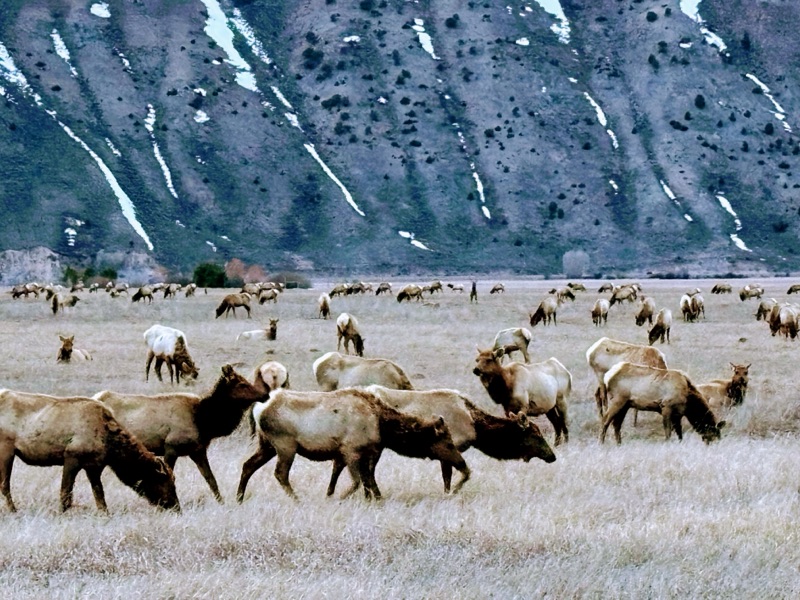
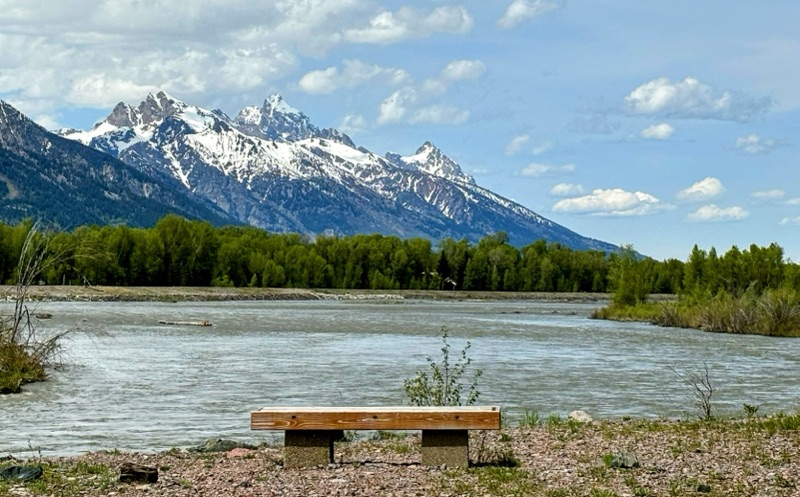
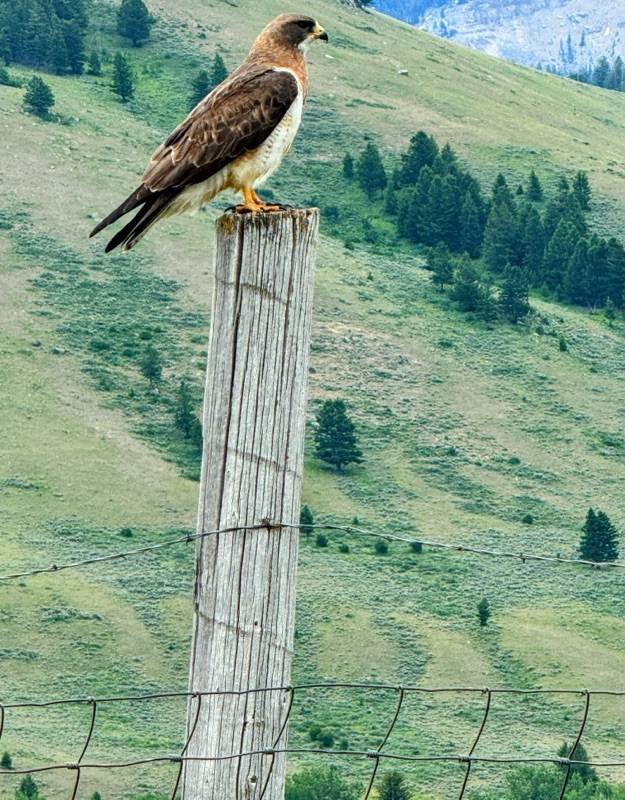
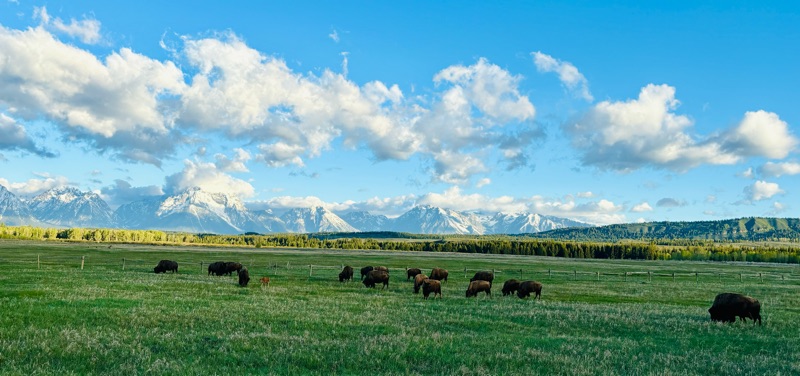
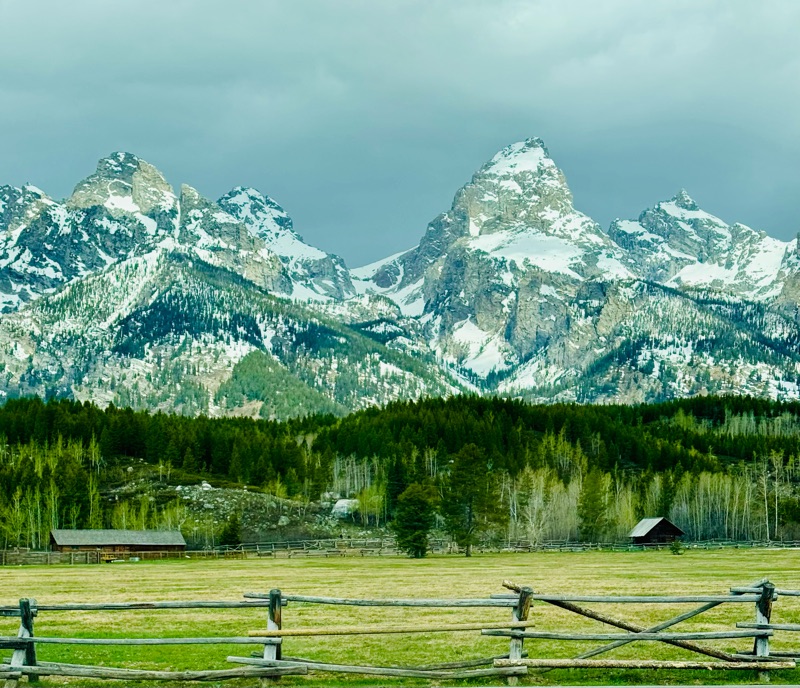
I had long imagined living in one of the most wild places in the United States. When I accepted a position at the Teton Science School in Jackson, Wyoming, my daughter and I were also seeking a place where we might begin to heal from the tragic loss of her father. The Tetons felt like the kind of landscape that could hold that hope — mountains rising sharply from sagebrush valleys, rivers running clear from alpine snowpack, wildlife moving across open ranges in ways that made human concerns feel briefly smaller. The beauty is breathtaking, and it invites the assumption that such grandeur must be untouched. Yet living there complicated that assumption. Beauty does not equal immunity. The idea of pristine wilderness, I began to understand, is often less a reality than a story we tell ourselves about places we long to preserve.

Yellowstone and the greater Jackson Hole region now receive millions of visitors each year, and increasing tourism has become what National Geographic describes as a stress test for park ecosystems and infrastructure.¹ Sustainability initiatives such as the Jackson Hole and Yellowstone Sustainable Destination Program have emerged precisely because ecological, cultural, and economic pressures converge there. ² Even well-intentioned stewardship operates within a tourism economy dependent upon travel and consumption. Wilderness is not and cannot be separate from human systems anymore. While sustainability initiatives and scientific monitoring are important steps, they address symptoms more than structural causes. Reducing plastic production and rethinking consumption patterns would be necessary to meet the demands of ecological and intergenerational justice more fully.
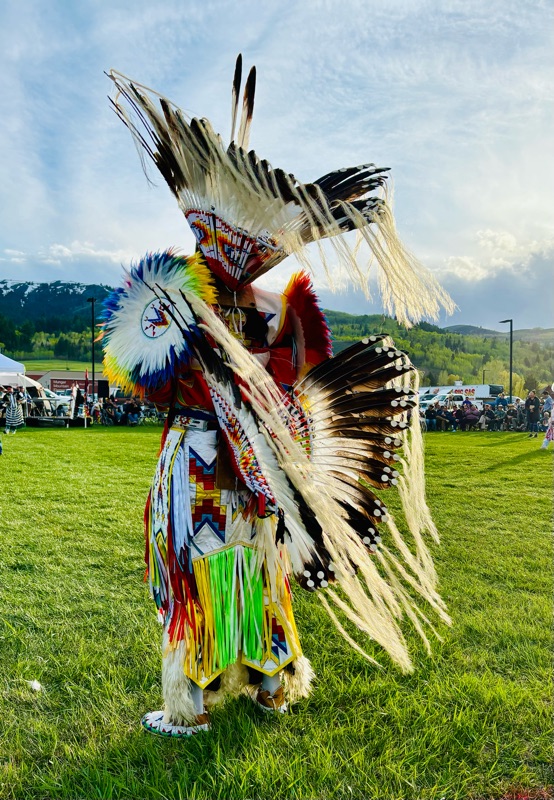
Long before tourism campaigns and national park boundaries reshaped the Tetons, the valleys and rivers surrounding Jackson Hole were seasonal homelands and travel corridors for Shoshone, Bannock, Crow, and other indigenous peoples whose lives followed migration routes and watershed cycles. the creation of Yellowstone and Grand Teton National Parkd depended in part upon narratives of untouched wilderness that obscured this presence and restricted traditional subsistence practices. Many Native communities connected to these landscapes were relocated to reservations far removed from the ecological abundance visitors now associate with the region. Any conversation about ecological justice must therefore ask not only how landscapes are protected, but who has historically borne the cost of that protection.
At Teton Science School, ‘place' is approached through ecological, cultural and economic perspectives, encouraging learners to examine both the past and future of the landscape. Living within that landscape complicated my own assumptions. Place was no longer scenery or refuge but relationship--layered with memory, labor, economy, and responsibility. For example, the ski resort where I worked on the weekends had a season that adhered to strict closing dates in order to accommodate animal migration patterns. This awareness was sharpened when my colleague at Central Wyoming College, Professor Kirsten Kapp, documented microplastics throughout the Snake River watershed, including alpine environments many imagine untouched.³ Microplastics have also been identified in Grand Teton National Park lakes and in fish inhabiting those waters.⁴ When contamination appears at the headwaters--where rivers begin--the illusion that harm is local collapses. The watershed itself becomes a record of connection. It carries not only snowmelt and sediment, but also the consequences of how we live.
Christoph Stueckelberger asks a difficult ethical question in the context of ecological crisis: "Who dies first? Who is sacrificed first?" He writes that "those who have contributed least...suffer first and most," insisting that justice must prioritize vulnerability rather than convenience.⁵ His framework of ecological, distributive and intergenerational justice clarifies what is at stake. Intergenerational justice, he argues, requires that we not live at the expense of future generations." ⁶ Microplastics drifting through alpine snowpack suggest that sacrifice has already begun--quietly and without consent.
Shamara Shantu Riley similarly refuses to separate environmental harm from systems of domination. She argues that "environmental degradation and the oppression of people are interconnected," emerging from the same mentality that permits extraction without accountability.⁷ Riley's insight also reframes the history of conservation itself. The displacement of indigenous communities from landscapes later celebrated as pristine wilderness reveals how environmental protection and human exclusion have sometimes emerged from the same structures of power. Plastic fragments found in Wyoming snowpack may originate hundreds or thousands of miles away, carried atmospherically before settling into alpine ecosystems. Ecology, Riley reminds us, is always a justice issue.
Thich Nhat Hanh offers a different response, not through prediction but through attention. '"We are here to awaken from the illusion of our separateness."⁸ The Earth is not something outside of us but something we participate in continually. I have sat beside the Snake River and Reservoir no. 6 in Connecticut's Farmington River watershed, chanting the same words over very different waters. Today, reflecting on the many rivers I have lived beside--from the Chao Praya in Bangkok, to the East River in NYC--I am reminded that water refuses borders. Snow becomes runoff. Runoff becomes river. River becomes ocean. The Atlantic and Pacific eventually meet through global circulation whether we acknowledge it or not. The practice does not change the current, but it changes the way I understand my place within it.
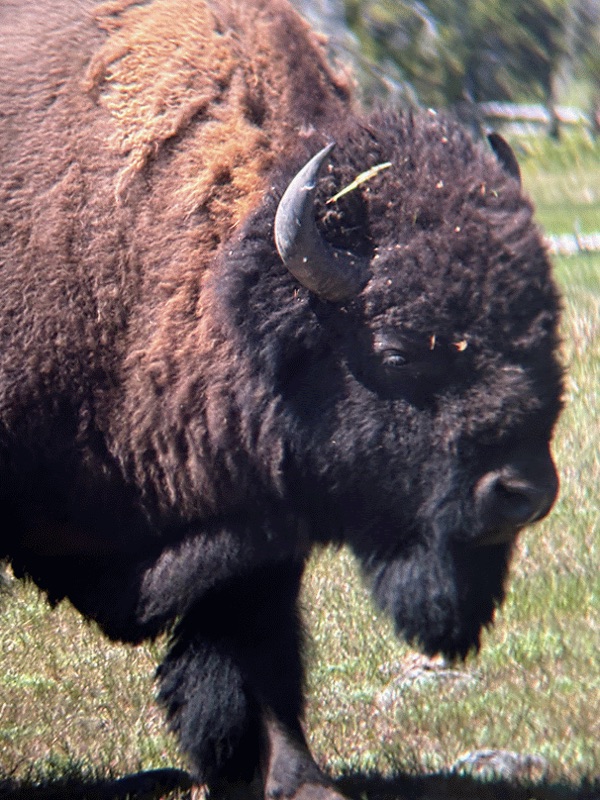
There are forms of ecological damage that cannot be undone. Microplastics already circulate through oceans, soil, snowpack and our bodies. Some thresholds have already been crossed. Yet Yellowstone also tells another story. Research shows that bison herds restore grasslands through nutrient cycles that redistribute fertility across the landscape.⁹ Within ecological systems, what appears to be waste becomes nourishment. Plastic pollution represents the opposite relationship--accumulation without return. Eco-chaplaincy asks us not only to witness harm but to relearn participation in renewal where it remains possible. Sitting beside a reservoir whose waters will eventually join an ocean without borders, I am left less with certainty than with responsibility, and with the uneasy recognition that I, too, live within the systems I critique. A watershed moment is not only a crisis point; it is also a turning point.
Footnotes (Chicago Notes Style)
National Geographic, “Booming Tourism Becomes a Stress Test for Yellowstone,” National Geographic Magazine, May 2016.
Mike Koshmrl, “Microplastics Found in Fish in Upper Snake River Watershed,” Jackson Hole News & Guide, 2024; and “Microplastics Found in 2 Grand Teton National Park Lakes,” Jackson Hole News & Guide, 2024.
Christoph Stueckelberger, “Who Dies First? Who Is Sacrificed First?” 48.
Ibid., 52.
Shamara Shantu Riley, “Ecology Is a Sistah’s Issue Too,” in This Sacred Earth, ed. Roger Gottlieb (New York: Routledge, 2003), 413.
Thich Nhat Hanh, Fear: Essential Wisdom for Getting Through the Storm (New York: HarperOne, 2013).
Natalie Krebs, “Bison Poop Is Restoring Yellowstone National Park,” Outside Online, 2023.
Bibliography
Central Wyoming College. “Tiny Plastics, Big Problems.” 2024.
Hanh, Thich Nhat. Fear: Essential Wisdom for Getting Through the Storm. New York: HarperOne, 2013.
Koshmrl, Mike. “Microplastics Found in Fish in Upper Snake River Watershed.” Jackson Hole News & Guide, 2024.
“Microplastics Found in 2 Grand Teton National Park Lakes.” Jackson Hole News & Guide, 2024.
National Geographic. “Booming Tourism Becomes a Stress Test for Yellowstone.” 2016.
Riley, Shamara Shantu. “Ecology Is a Sistah’s Issue Too.” In This Sacred Earth. New York: Routledge, 2003.
Stueckelberger, Christoph. “Who Dies First? Who Is Sacrificed First?”
No comments:
Post a Comment