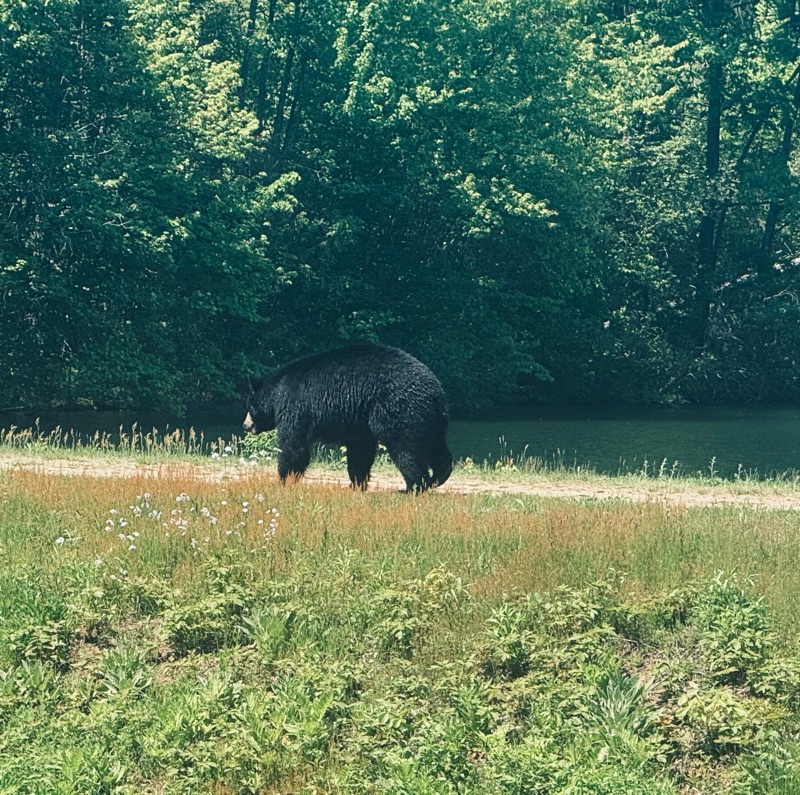
Spring
by Mary Oliver
Somewhere
a black bear
has just risen from sleep
and is staring
down the mountain...
There is only one question:
how to love this world.
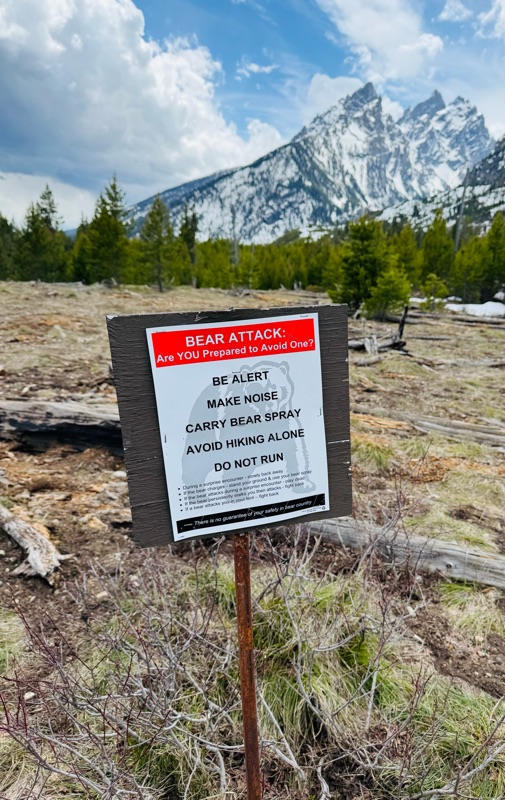
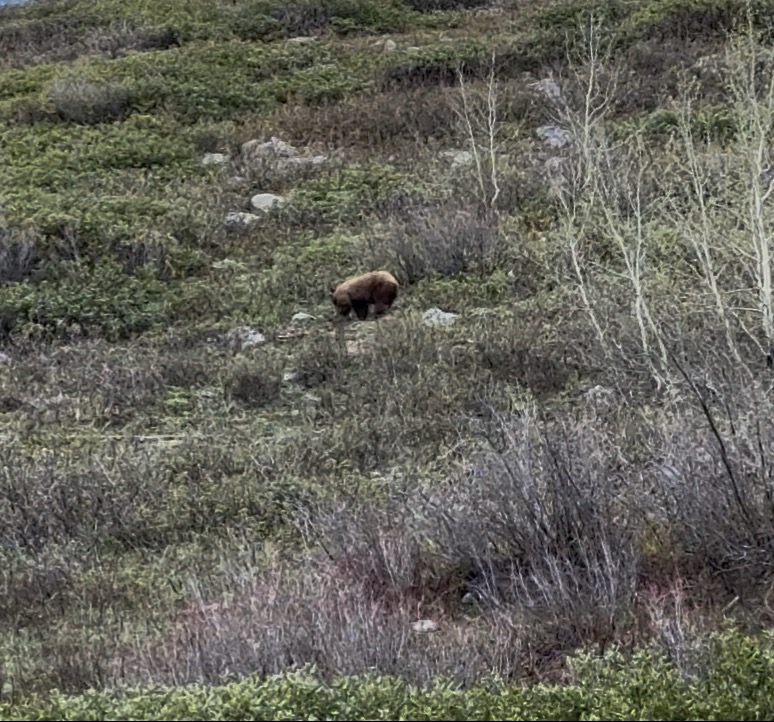
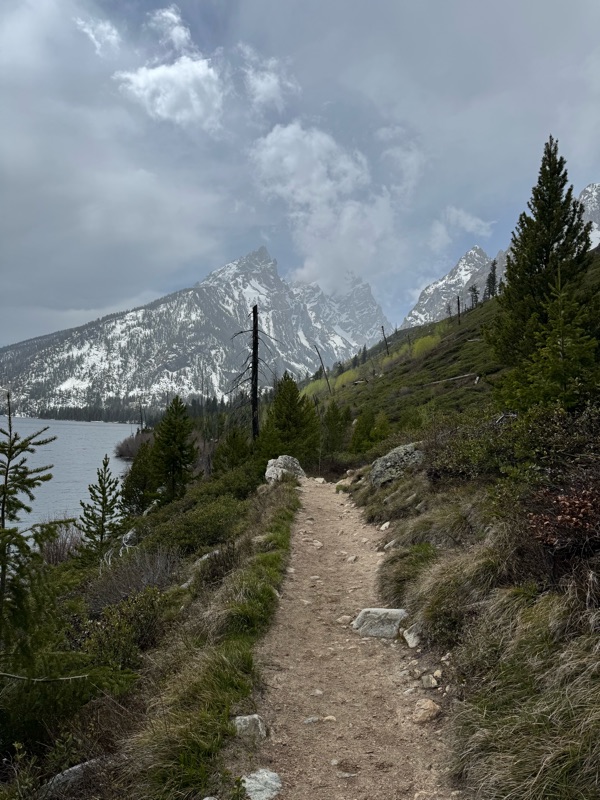
A year later, on Mother's Day, I hiked Bear Mountain in New York with my daughter. The name did not escape me. Just twelve months earlier, I had been circling Jenny Lake wondering whether I would spend the rest of my Mother's Days alone in sorrow. Now I found myself on a mountain that carried the same symbol that had followed me through that difficult year.
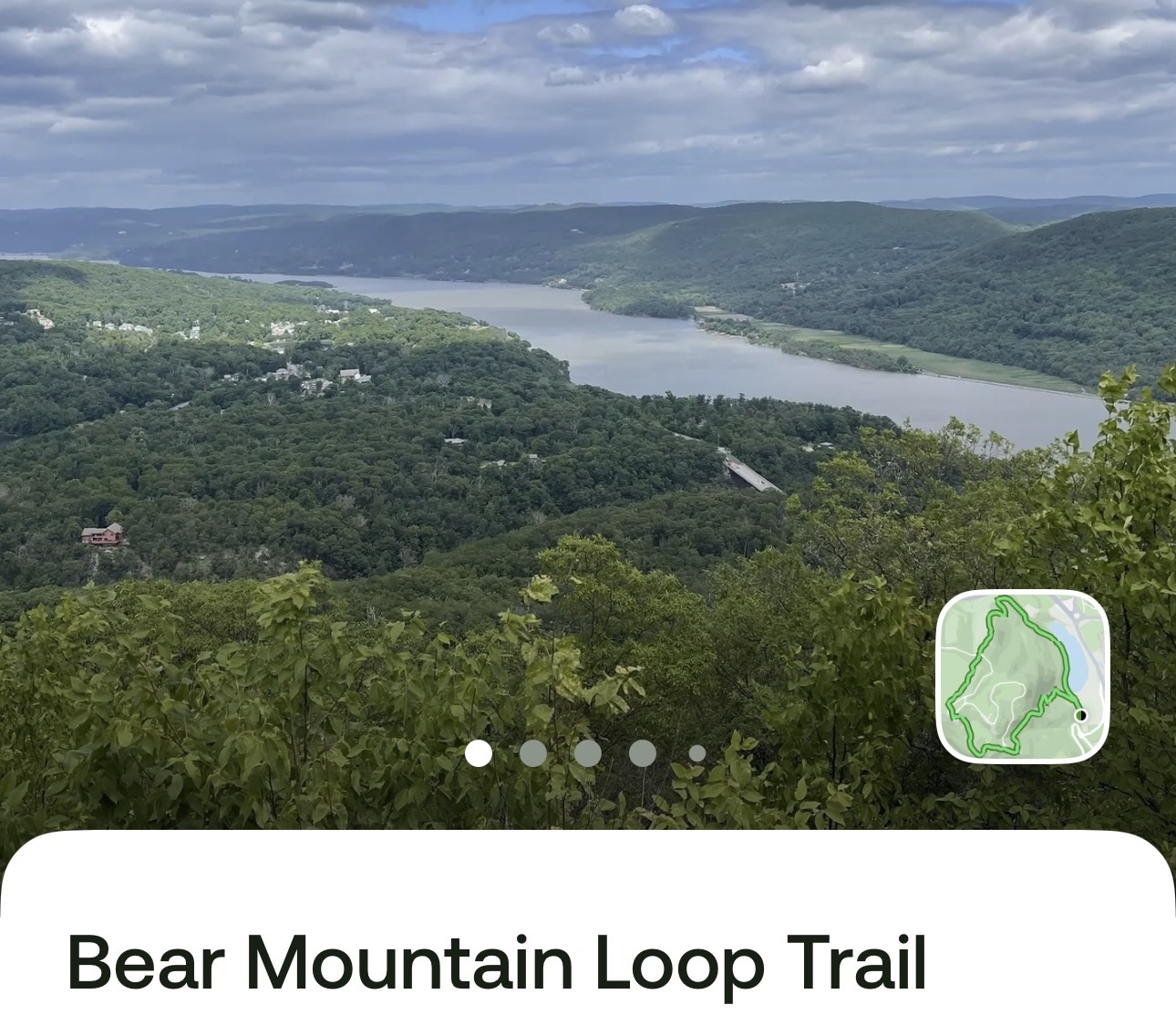
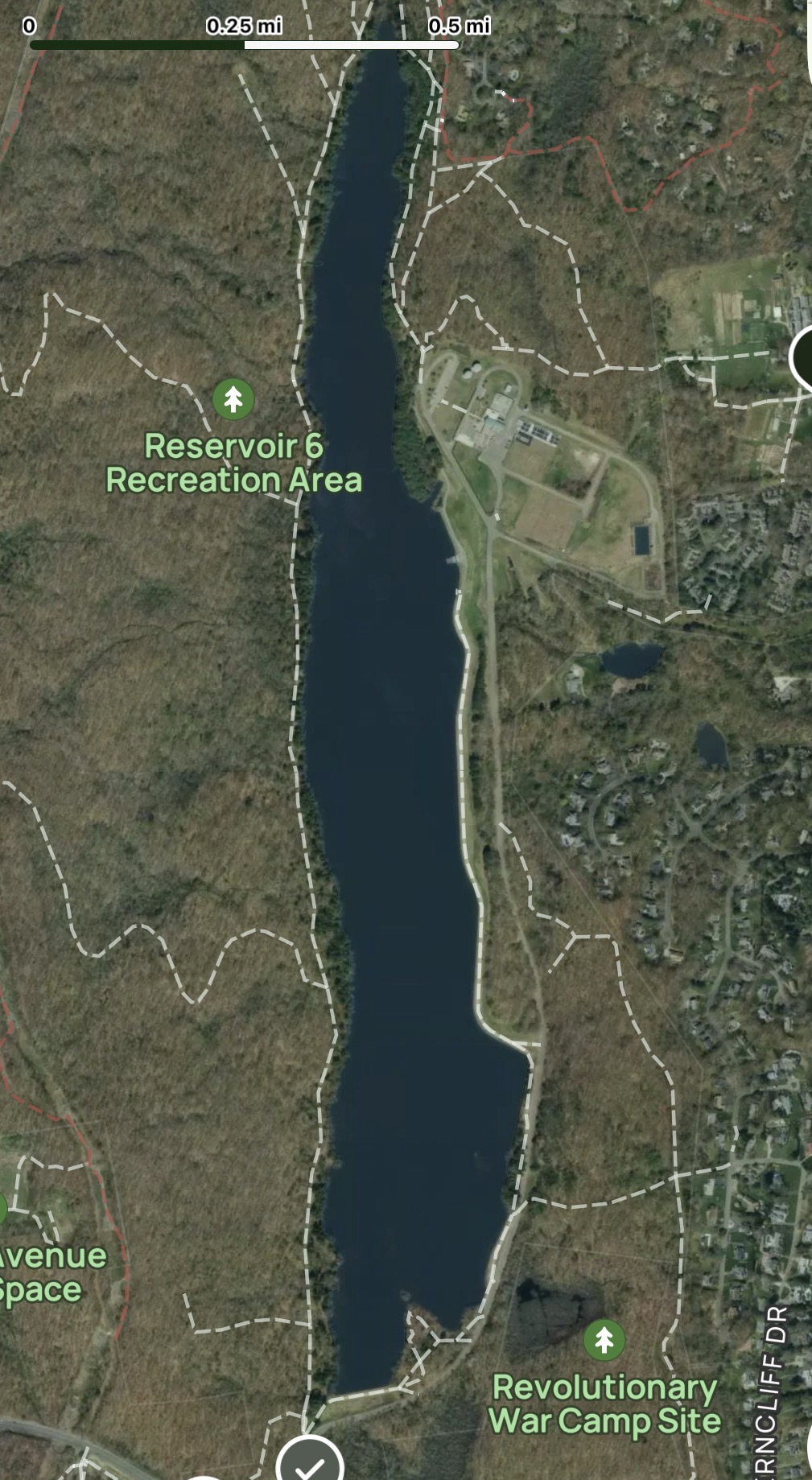
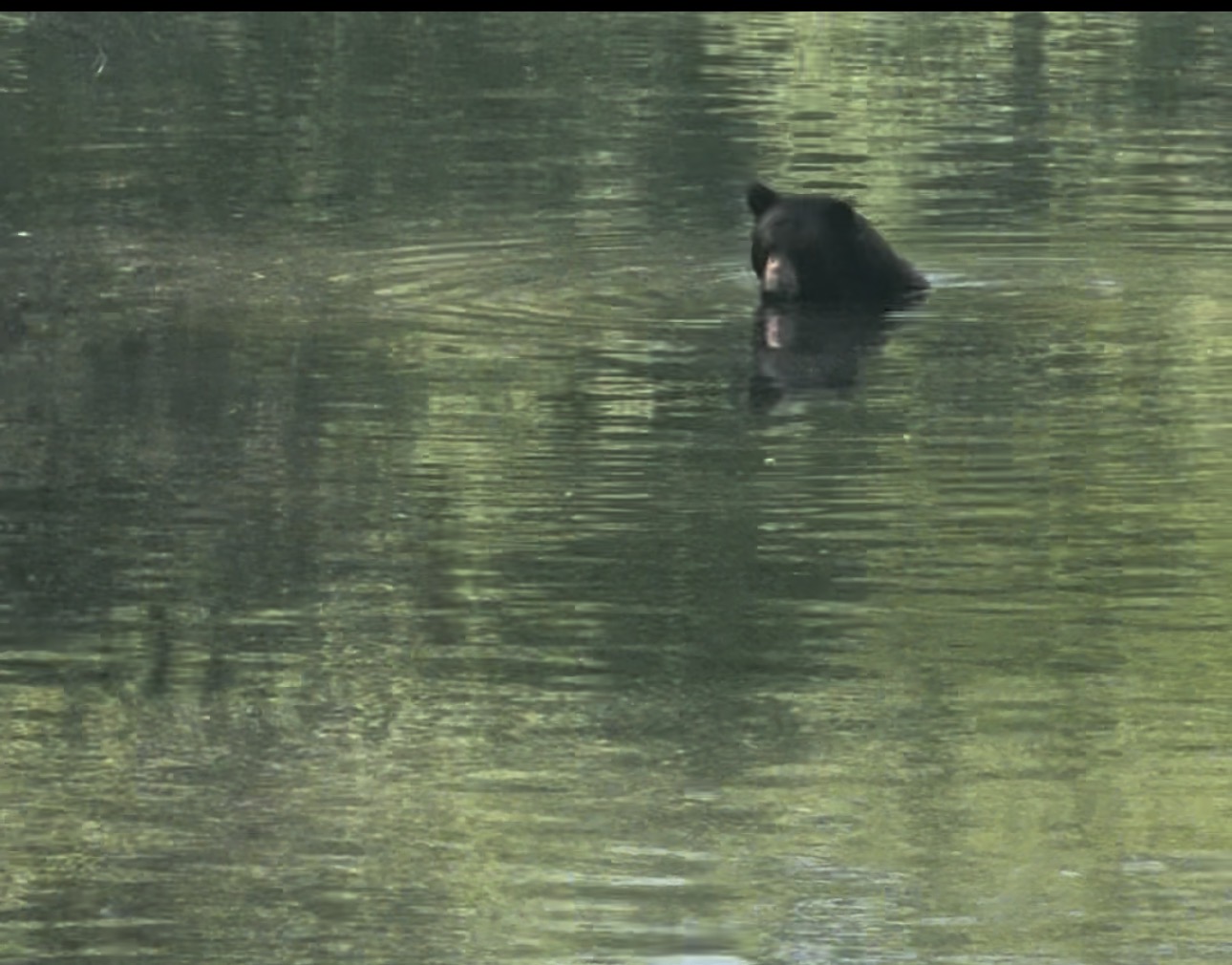
The encounter felt no less improbable than the grizzly had the year before. Two bears. Two bodies of water. Two anniversaries. Two moments when I was trying to orient myself within a life that no longer looked the way I had hoped or imagined.
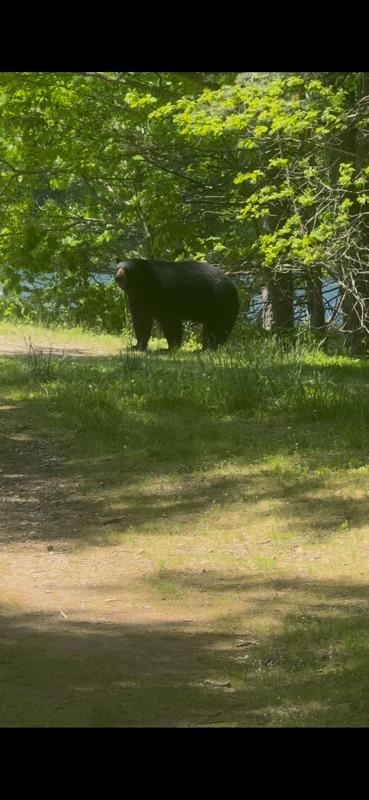
The third bear appeared during a week-long immersion in death and dying as part of my chaplaincy studies. We had been asked to write a letter to our loved ones to be opened after our death. It was a beautiful June day, and the classroom felt too small to hold the weight of the question. I carried my notebook to a picnic table near the trees along the Park River—the same river Mark Twain once looked out upon while writing Huckleberry Finn, the same river the Podunk and Wangunk once fished.
As I sat there, I found myself thinking about grief and the things people carry after loss. We carry people. We carry memories. We carry unfinished conversations. We carry hopes for futures that never arrived. We carry questions that have no answers. We carry these invisible things within our hearts: regret, guilt, fear, anger, and the stories we tell ourselves to make sense of it all. We carry these gifts that remind us of our capacity to love. Halfway through my letter, I looked up and saw a black bear in the woods. It paused beside a tree, scratched its back, and continued on its way. Construction workers were jackhammering a block away. A dog barked at the postman. Car horns beeped. The bear seemed completely unconcerned by all of it. My letter was forgotten as I watched -mesmerized-until it disappeared.
Each encounter provided a sacred pause.
My grief loosened its grip. My breath came easier as my attention shifted away from heartache and toward what was actually present. The bears did not answer my questions. They did not resolve my grief. They didn't judge my mistakes nor were they concerned with my religious piety or practice. Sometimes symbols and stories give us a way into conversations we struggle to approach directly. We begin by talking about a bear and discover we are talking about grief. We begin by talking about a landscape and discover we are talking about belonging. That realization explains why eco-chaplaincy resonates so deeply with me.
The details differ across cultures and centuries, but the questions remain remarkably consistent. How do we live with uncertainty? How do we continue after loss? How do we find our bearings when the map we were carrying becomes obsolete? I do not know what bears imagine. They just keep living. Noticing patterns is part of what human beings do. We connect stories, places, anniversaries, and encounters in an effort to understand our lives. The bears that crossed my path became part of that process. Yet they were not only symbols. They were also real animals moving through changing landscapes.
The black bear wandering through my Hartford neighborhood was following the Park River corridor through a changing ecosystem. Connecticut's bear population has expanded dramatically during my lifetime, and bears are now found in every municipality in the state. The same encounter that invited reflection on my own life also raised questions about habitat loss, development, climate change, and coexistence. Eco-chaplaincy asks us to hold both realities at once: the personal story we tell about an encounter and the ecological reality in which that encounter occurs. Perhaps we have always been seeking orientation rather than certainty.
Years ago, while earning an M.Phil. in Peace Studies at Trinity College Dublin, I studied the root causes of conflict and the pathways toward reconciliation. I learned that most conflicts are not really about the thing being argued. Beneath positions lie stories. Beneath stories lie fears. Beneath fears lie needs for belonging, dignity, safety, recognition, and love. Chaplaincy asks many of the same questions, but on a more personal scale. What is this person carrying? What loss remains unnamed? What story are they telling themselves about what has happened? Before people can make meaning from suffering, they need someone willing to witness it. Chaplaincy requires learning to listen beneath the surface of a person's story, noticing the fears, losses, and longings within it. Eco-chaplaincy is not about finding answers in nature. It is about cultivating the pause that allows discernment to emerge. The work is not to provide answers or impose meaning. It is to listen carefully enough to distill what lies beneath the story being told.
My path to eco-chaplaincy began long before graduate school. It began beside reservoirs and rivers, within forests, and on top of mountains. It began through loss, wonder, noticing, and accompaniment. Eco-chaplaincy simply gave language to something I had been practicing for much of my life: the privilege of witness.
