Across the many countries I’ve called home, ritual has been my quiet teacher. Whether kneeling on tatami mats in Japan, joining monks in Thailand, or pouring tea after an Irish funeral, I have come to see how ritual carries us—through joy and grief, belonging and exile, belief and doubt. It is the thread that ties the sacred to the ordinary. What began as a reflection for my chaplaincy course has become something larger: a meditation on how ritual holds the human story together—from tea bowls to protests, from solitude to solidarity.
I. Rituals of Discipline: The Way of Tea and the Way of the Sword
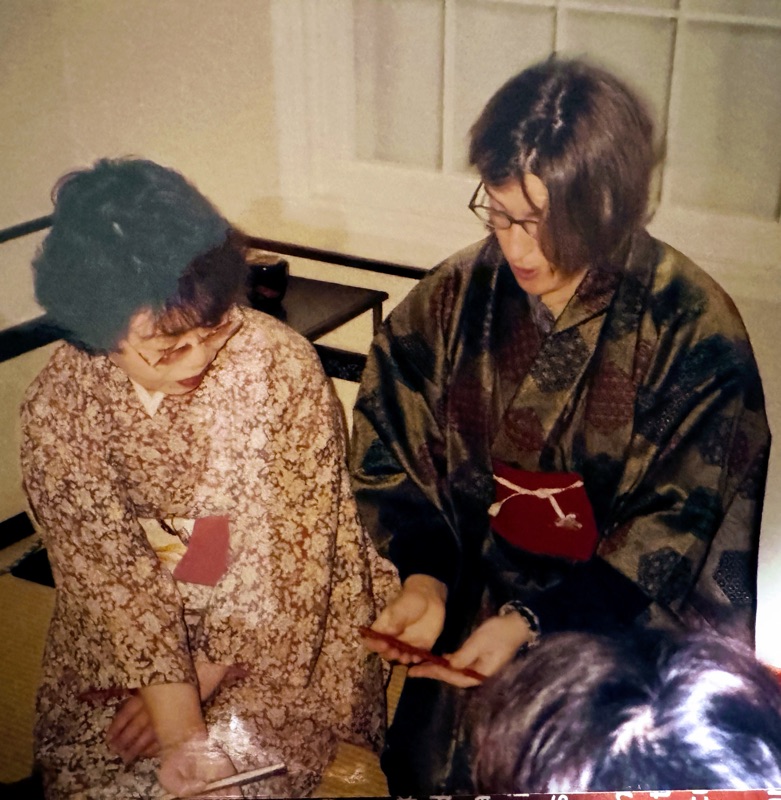
When I was teaching middle school history in Sapporo, Japan, we were in the midst of a unit on Buddhism, Shinto, and the Samurai. My students were fascinated by how the samurai code, or bushidō, emphasized discipline, mindfulness, and ritual practice. To bring those ideas to life, we accepted an invitation to the home of one student’s grandmother to participate in a traditional tea ceremony—chadō, the Way of Tea. She dressed me in a kimono and guided us, step by step, through the precise choreography of bowing, pouring, and serving. Every movement was deliberate, every gesture full of intention. My small class translated her words while we all tried—unsuccessfully—to ignore the ache in our legs, giggling through the kneeling. The tea itself tasted like grass to me, but the grace of the ritual was unforgettable.
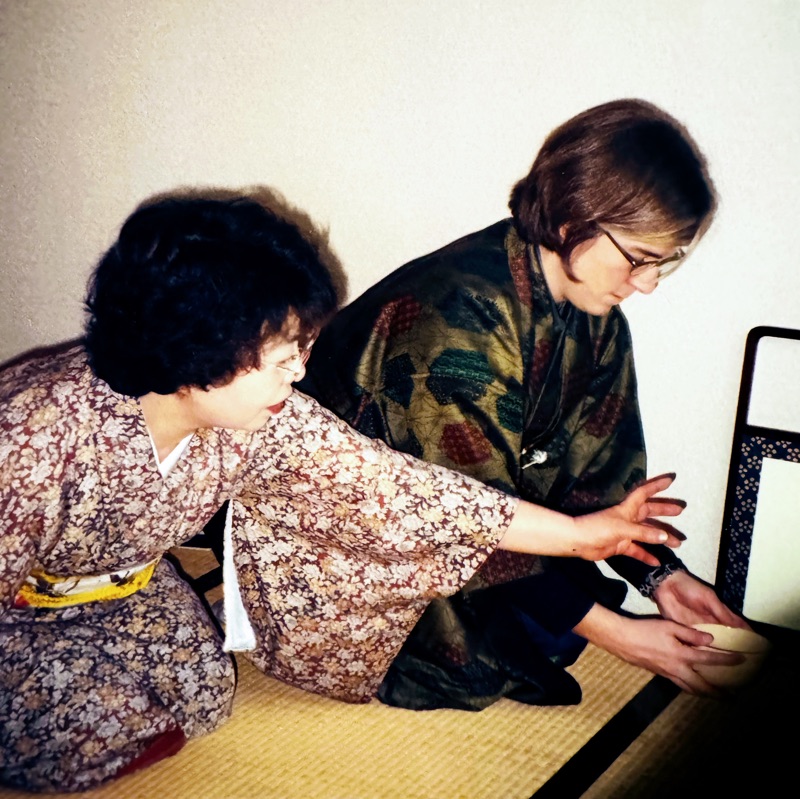
As Aaron Rosen suggests in “Curating an Interfaith Pilgrimage,” interreligious understanding often arises through shared movement and aesthetic encounter—what he calls a kind of “curated pilgrimage.” Participating in the tea ceremony felt much like that: a walk through beauty and discipline that revealed connection across difference. Though I was an outsider to the tradition, I was invited to move, kneel, and breathe within its rhythm, discovering common ground through the act itself rather than through words or doctrine.
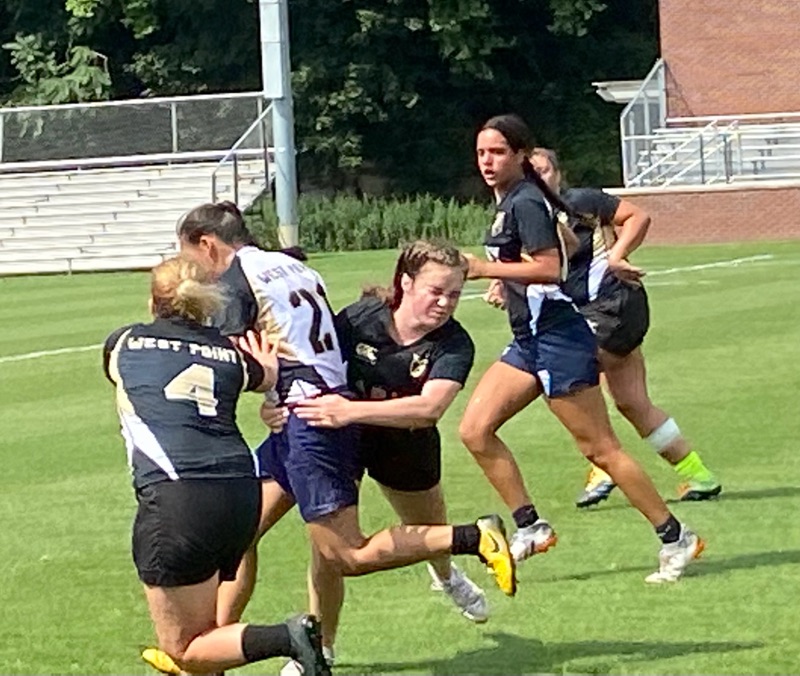
The samurai used ritual to prepare mind and body for combat. In that sense, chadō was as essential as sword training—a spiritual discipline that balanced mastery with humility. Years later, as I watched my daughter commit to her own path of disciplined service at West Point, I recognized a similar rhythm. Like the samurai, the cadets’ rituals—salutes, parades, and pledges—shape the moral muscle memory of duty, restraint, and honor. Both traditions sanctify discipline as a sacred act, revealing how ritual lends dignity even to the art of war.
II. Rituals of Renewal: Mochi, Monks, and Mutuality
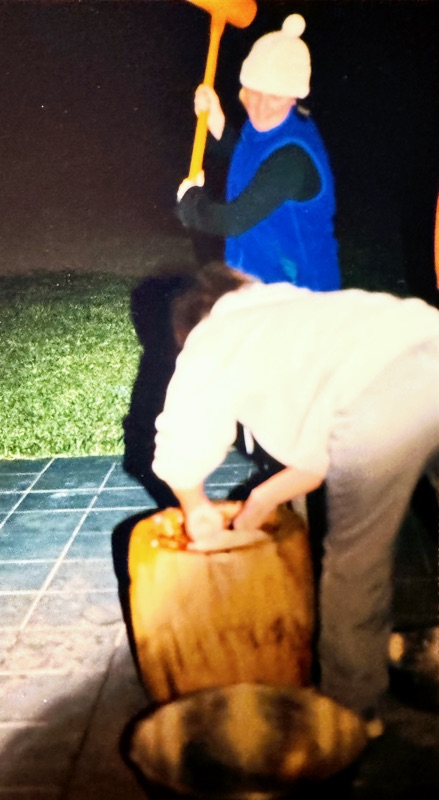
That winter, I joined another Japanese New Year’s ritual—the pounding of mochi, or sweet rice cakes. This ceremony contrasted the meditative tea ritual. It was loud, messy, rhythmic, communal—and yes, there was plenty of sake, itself a sacred distillation of rice. On the island of Iriomote Jima, villagers and I took turns hammering sticky rice in heavy wooden mortars while others turned it between strikes, a dance of coordination and trust—especially considering the sake involved.
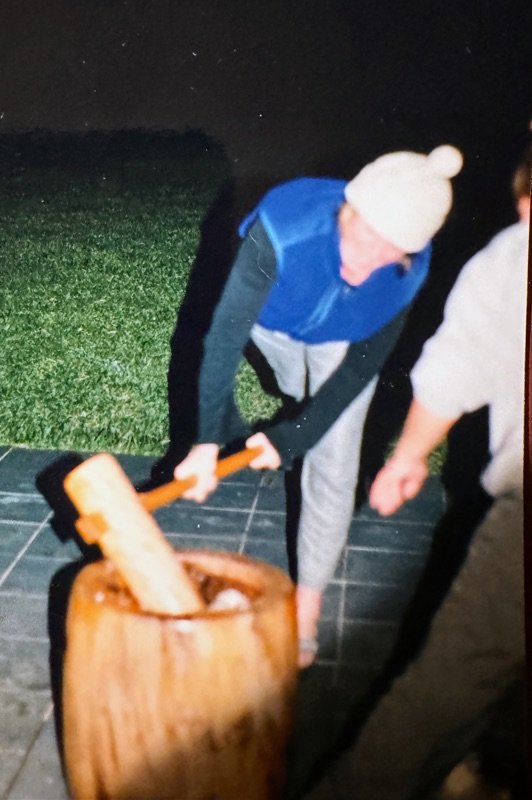
I learned later that mochitsuki is far more than a festive custom. It is a ritual of renewal and gratitude performed at the New Year, when the boundary between the human and divine is thought to be thin. The pounding transforms separate grains of rice into a single, unified mass, symbolizing communal strength and harmony. The cooperation between the pounder and the turner becomes a physical expression of interdependence, while the finished mochi is offered to the kami in thanks for the harvest and as a prayer for health and prosperity. Even the laughter and noise carried a sacred undercurrent—transformation through effort, joy, and togetherness.
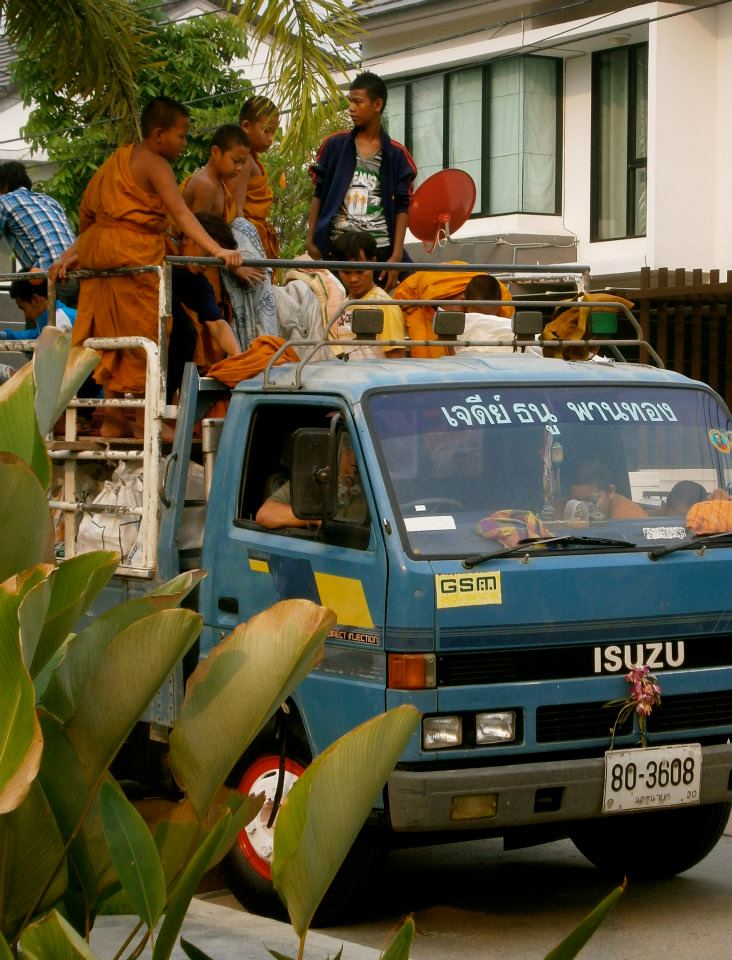
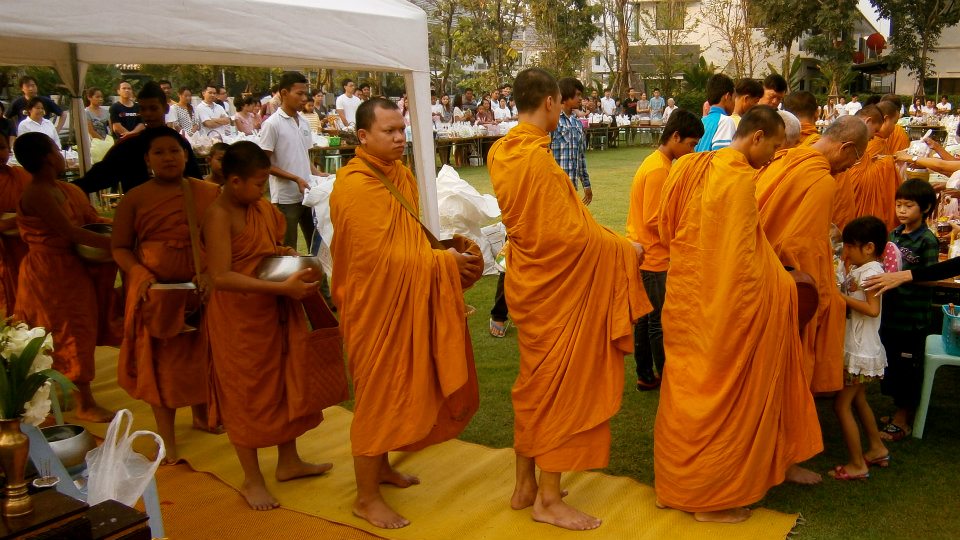
While teaching in Thailand, I encountered another kind of ritual renewal. My four-year-old daughter and I had just moved into a new moo ban (neighborhood) in Bangkok. One Saturday morning, we joined our neighbors for a house-blessing ceremony. A truckload of monks in saffron robes arrived to chant and receive offerings of rice and fruit. The air was fragrant with incense and sunlight. The monks’ procession wound past each home, blessing us as they passed. Though I didn’t understand the words, I understood the rhythm—the giving, the receiving, the quiet joy.
During Songkran, the Thai New Year, and Loy Krathong, the festival of lights, I learned that ritual could be both solemn and playful. Songkran’s exuberant water fights and Loy Krathong’s candle-lit boats symbolized cleansing, renewal, and remembrance. In Thailand, anyone could participate; belonging was porous, joy the common language. There is a reason Thailand is called the Land of Smiles.
III. Rituals of Reflection: Faith and the Feminine Journey
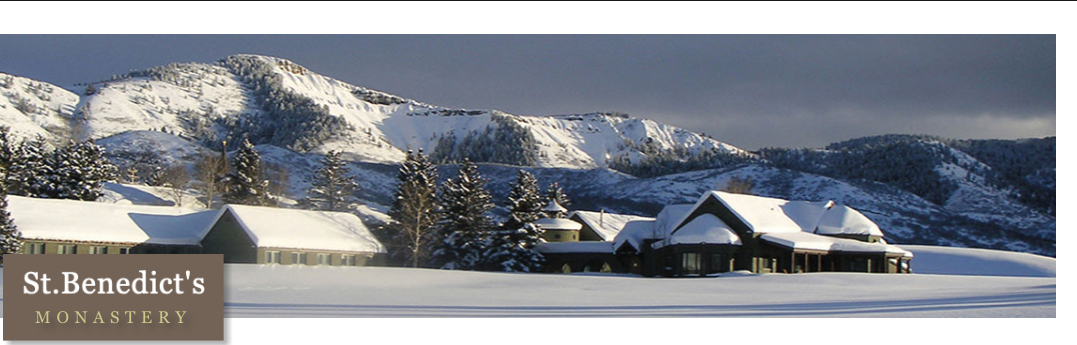
In the final month of my pregnancy, I stayed at the Snowmass Monastery near Aspen, Colorado. I wanted a retreat—a time to rest and reflect before my daughter was born. There, guests could stay in simple stone huts overlooking the Rockies and pay what they could. Elk herds grazed in the fields. Each evening I waddled down to the chapel to hear the monks chant their vespers. Their ritual. Their declaration of faith. I felt enveloped in peace. The music was low and steady, like breath itself. My daughter was born a week later.
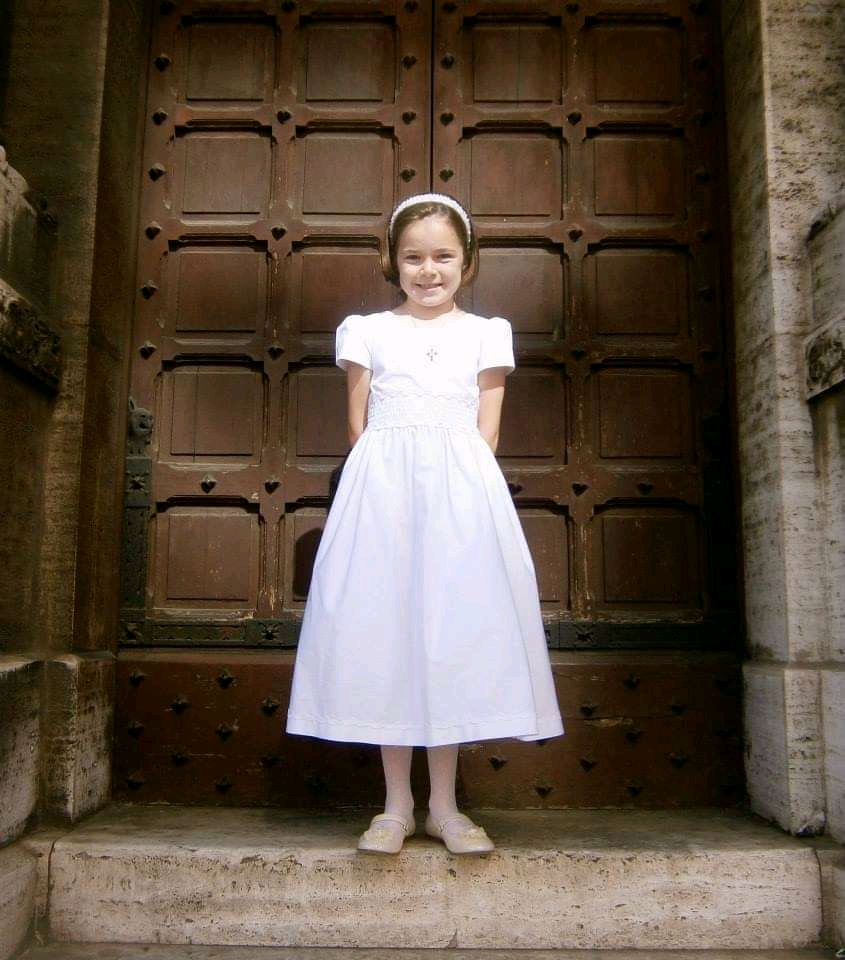
Years afterward, when we were living in Rome, she made her First Communion with her classmates at Marymount International School. For me, this was less an act of religious obligation and more an act of cultural integration. We were guests in a Catholic country, and I wanted her to experience the beauty of that tradition with her Italian classmates. The ceremony, with its white dresses, lilies, and ancient hymns, offered a kind of belonging that transcended belief—it was community made visible.
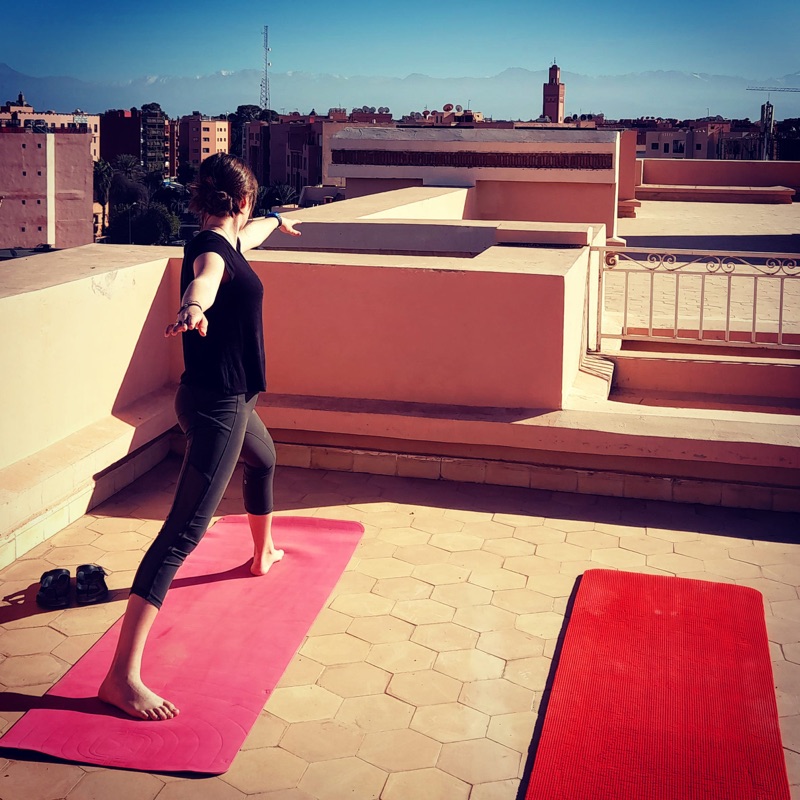
Later, in Morocco, we lived beneath the pink walls of Marrakech. Some mornings, my daughter and I would do yoga on our rooftop as the call to prayer echoed across the city toward the Atlas Mountains. That daily soundscape—sunlight, breath, and the mingled voices of devotion—became its own form of prayer. It reminded me that ritual, wherever it is practiced, opens a window between body and spirit, culture and faith.
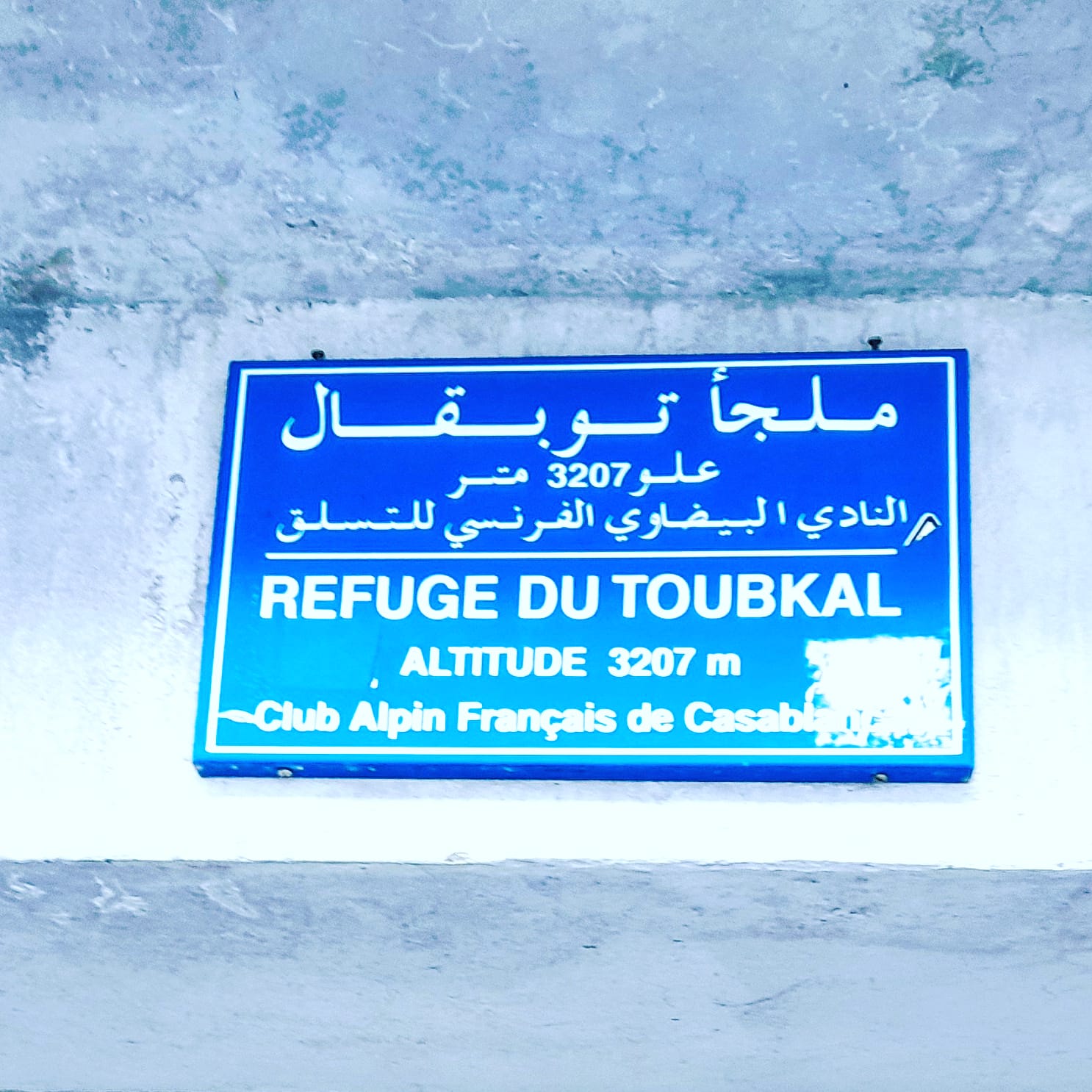
My daughter and I traveled from Marrakech into the High Atlas Mountains to climb Mount Toubkal—the highest peak in North Africa. The ascent began in the village of Imlil and carried us past rocky fields and herds of goats until we reached the stone refuge at the mountain’s base. We rose before dawn to reach the summit by sunrise, overlooking the Sahara, where fine red dust mingled with snow.
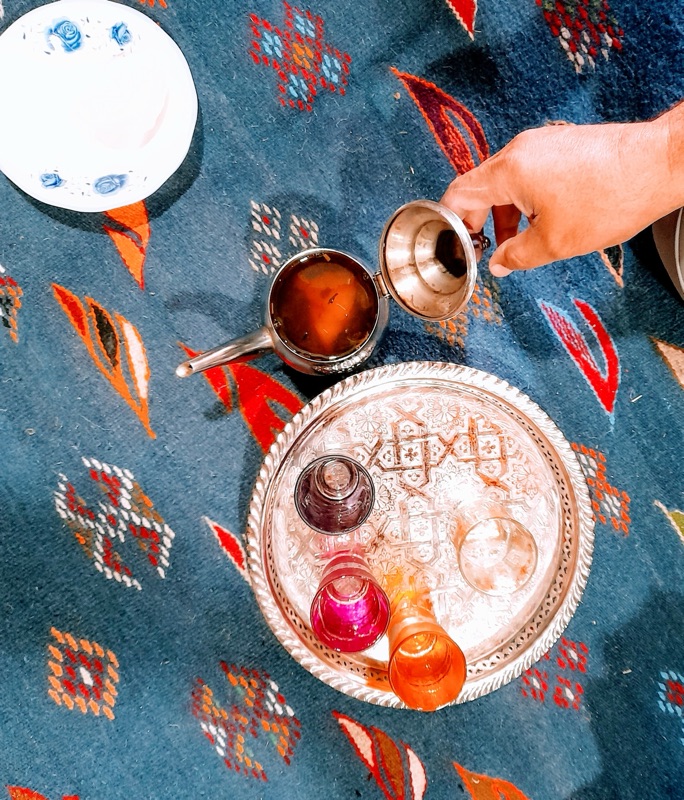
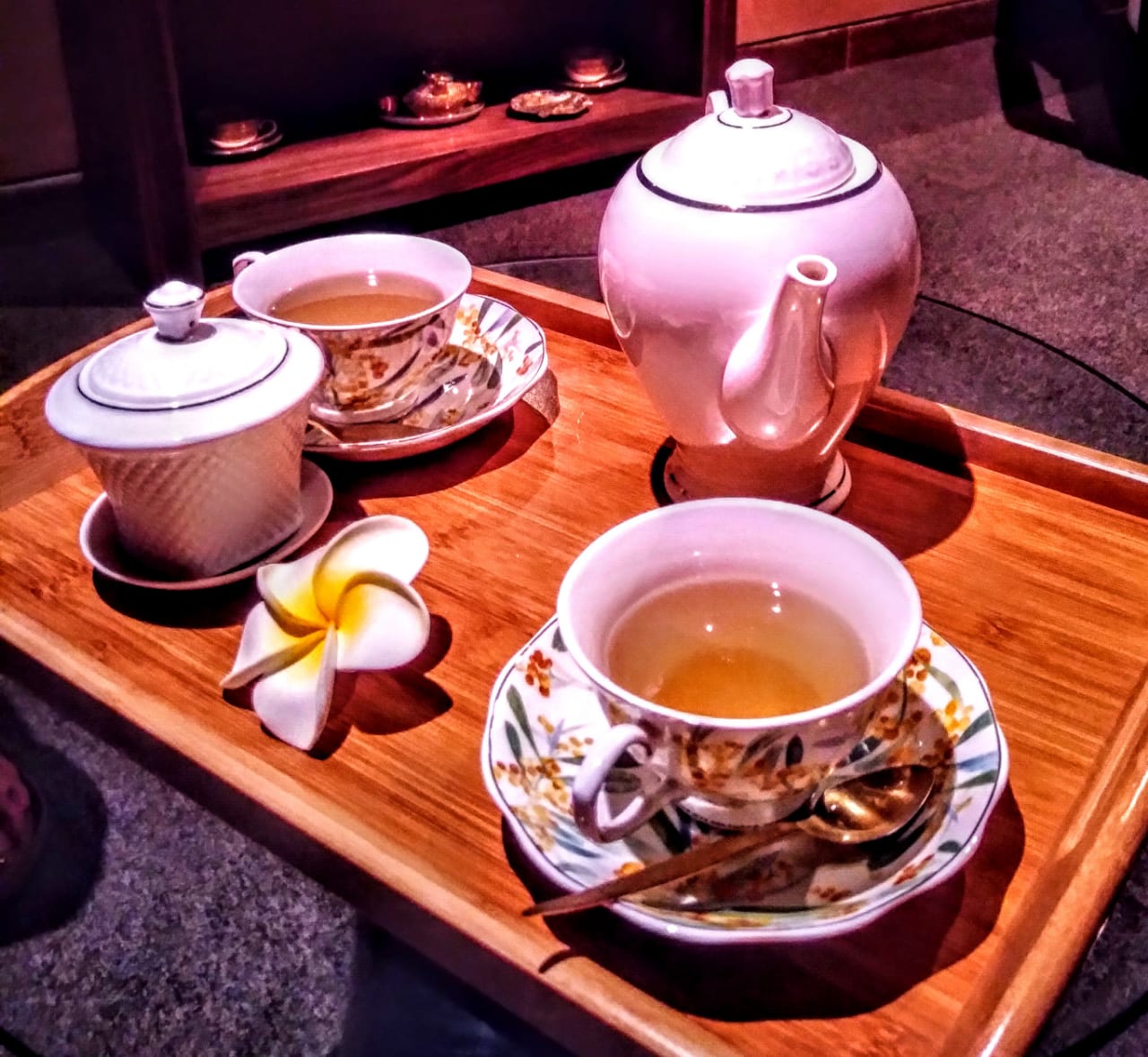
After our descent, our hosts prepared a feast and served glass after glass of steaming mint tea poured from high above into colorful jeweled cups.
That sweet, fragrant tea—shared in exhaustion and gratitude—was a ritual of welcome and renewal. The next day, in a carpet shop back in Imlil, we were plied again with mint tea until I found myself buying a rug I hadn’t known I needed. In Morocco, as in Ireland and Japan, tea is never just a drink; it is an offering, a conversation, a way of saying you belong here.
IV. Rituals of Remembrance: Death, Tea, and the Rosary
In April 2022, my daughter’s father, Colin, was struck by a car near his home in Ireland. He died after three weeks in a coma. My daughter turned fifteen during those suspended days. Colin was 51.
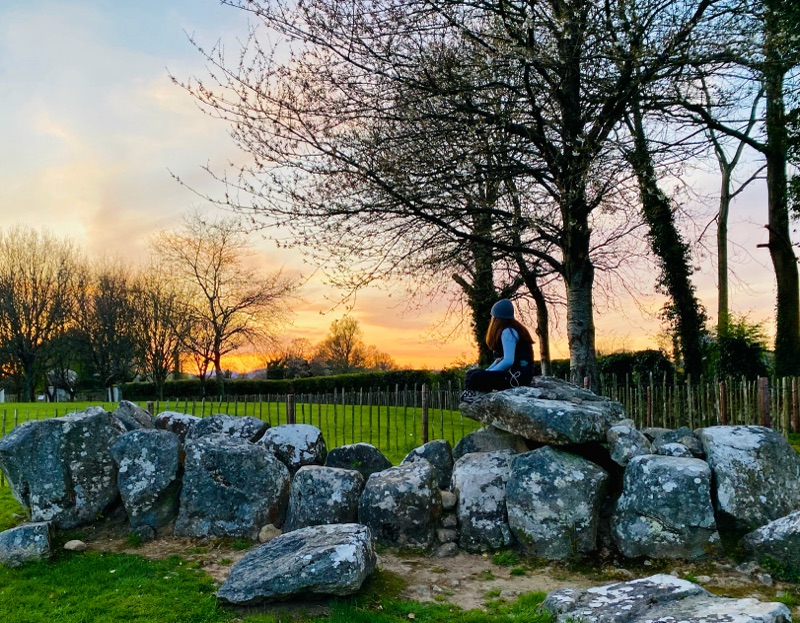
The Irish are particularly adept at mourning the loss of a loved one and saying goodbye. They have a saying—An rud a ghoilleas ar an gcroí caithfidh an t-súil é a shileas—which means “What pains the heart must be washed away in tears.” I keep the Irish here deliberately: for centuries the language itself was forbidden under British rule. To speak it, like to grieve aloud, was once an act of resistance.
Colin lay in his coffin in his family’s sitting room, his body surrounded by photographs, flowers, and the people who loved him. Neighbors streamed in to pay their respects and stay while sandwiches were passed. They stayed when the room grew still as the family encircled the open casket and began to pray the rosary—An Choróin Naofa. The words flowed like a tide down tear-streaked faces—recited not for performance but for endurance. We clung to the rhythm to steady our grief. In that ritual one witnesses the truth that grief is love with no place to go. The community surrounded us with their care. I do not remember all their faces, but I will never forget their presence.
The next morning, his coffin was lifted into a glass-sided hearse. We walked slowly and silently behind it through the narrow roads of Kilcurry as the neighbors stood along the road and made the sign of the cross as we passed. The farmers stopped their tractors and tipped their caps. His rugby teammates carried his coffin into the church. The incense mingled with the scent of rain. It was ritual as revelation—a choreography of profound loss, love, and dignity.
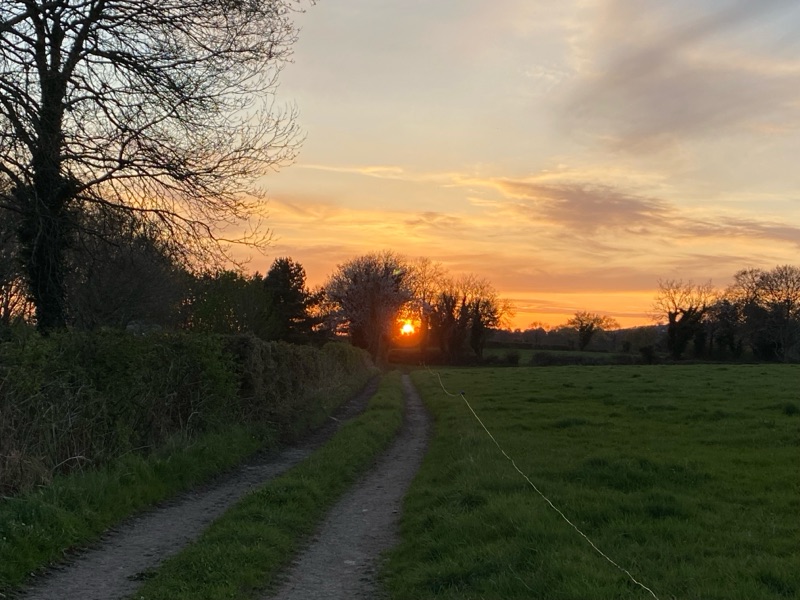
Afterward, more tea was poured. The work of mourning paused as people gathered around kitchen tables, telling stories and passing endless plates of sandwiches and biscuits. Tea, in Ireland, is how people hold the unholdable. It steadies trembling hands, gives the bereaved something to do, and turns private grief into shared humanity. This ritual became one I built for my daughter—a nod to her Irishness and our own small act of continuity. Every morning I would make her a cup of Irish tea as she was waking up and preparing to face the day. Over the years, that ritual began to reverse—sometimes she would make the tea for me. In those quiet exchanges, love took its simplest and most enduring form.
V. Rituals of Duty: West Point and the Moral Imagination
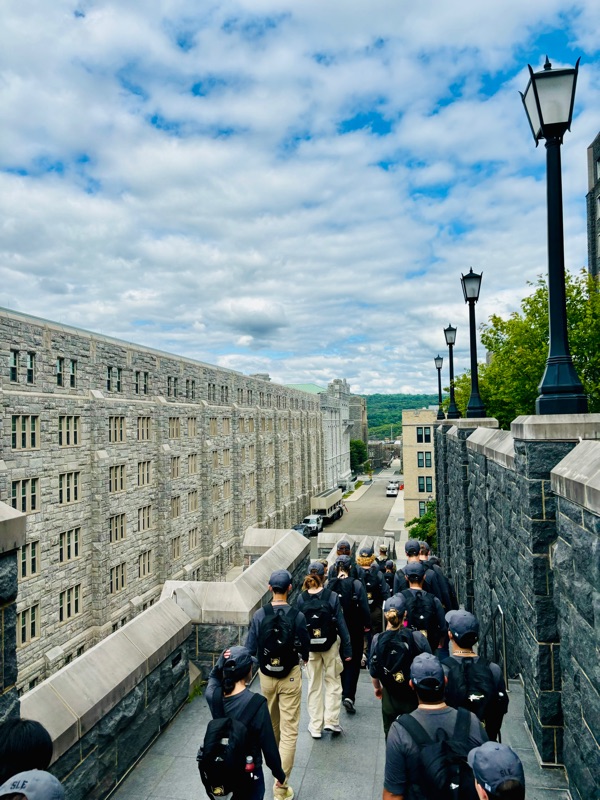
My daughter is now in her first year at the United States Military Academy at West Point. Her education there will span five years, followed by a minimum of six years of service. She has entered a world defined by ritual—from the Reveille that wakes cadets at dawn to the silent handshake in which a medallion passes palm to palm, symbolizing honor and belonging.
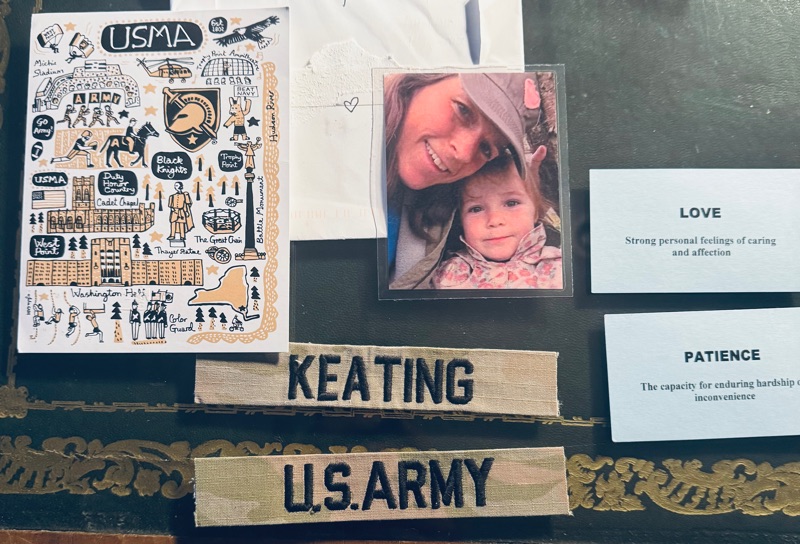
Last month, she sent me two cards. One contained a “Proud West Point Mom” sticker; the other, two of the academy’s moral-compass cards—one on Love, another on Patience. These cards, drawn from a larger deck, are virtues cadets are asked to memorize and embody. When she returned from Summer Leadership Experience at West Point after her junior year –she hung those virtue cards on her bulletin board to become her daily mantras.
My daughter will play rugby for West Point—a sport steeped in its own codes and rituals of courage, teamwork, and respect. Watching her step into that world, I see the same sacred choreography I once studied in samurai culture: repetition as transformation, form as formation. Ritual can elevate service into vocation—but it can also conceal the cost of violence beneath its pageantry. I once told her that the pomp and circumstance of war can draw a veil across its brutality. Ritual gives shape and dignity to what might otherwise be unbearable.
VI. Rituals of Resistance: Bread, Protest, and the Anointing of Kings
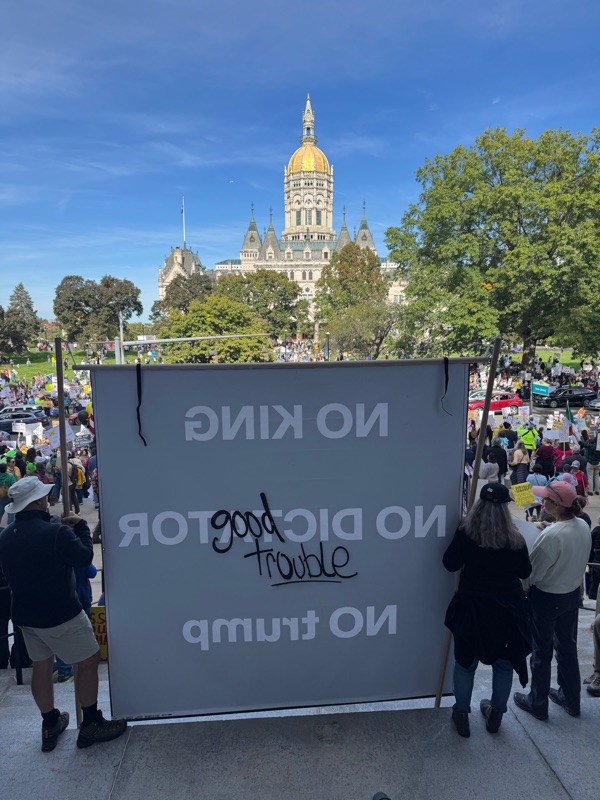
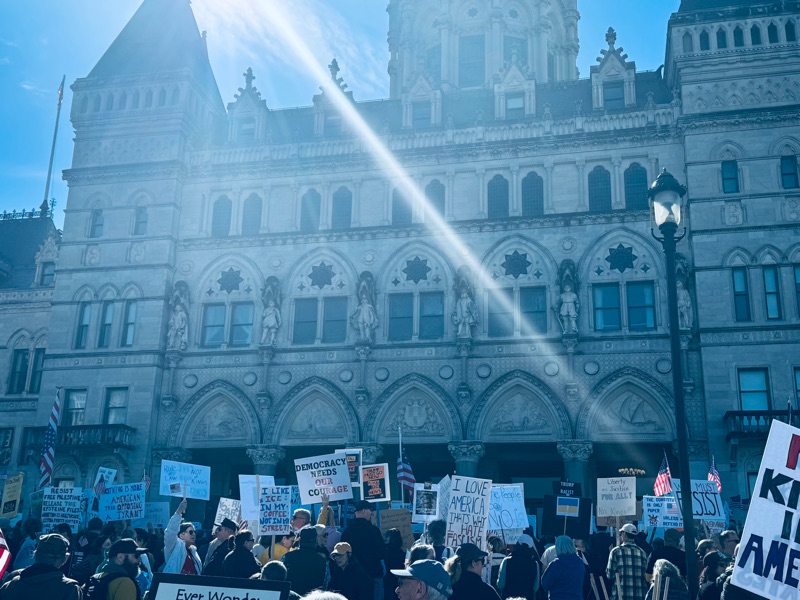
Since returning to my hometown in Connecticut, I’ve been volunteering two mornings a week at the House of Bread in Hartford. Two weeks ago, while serving breakfast, a fellow volunteer asked why I had attended the “No Kings” protest at the State Capitol.
“What protest?” he asked.
“No Kings.” I said. Surprised he wasn’t aware of it.
“What are you protesting?” he asked.
“Where should I start? Abuse of Power?”
He looked at me with genuine conviction. “You know, our president is anointed by God.”
His sincerity caught me off guard. We were standing in a soup kitchen founded by Catholic nuns, serving the city’s most impoverished residents—people whose very need was born from systemic inequity. A few minutes later, another volunteer, an older man, pulled me aside and said gently, “You know, he’s a good man.”
And I thought: Is goodness measured by the banana bread he bakes for those he believes God has not anointed?
That morning stayed with me. It was a portrait of America’s cognitive dissonance—the quiet collisions of faith and politics, charity and blindness. These are the same contradictions that keep our nation divided. They are also the rituals of belief that sustain power.
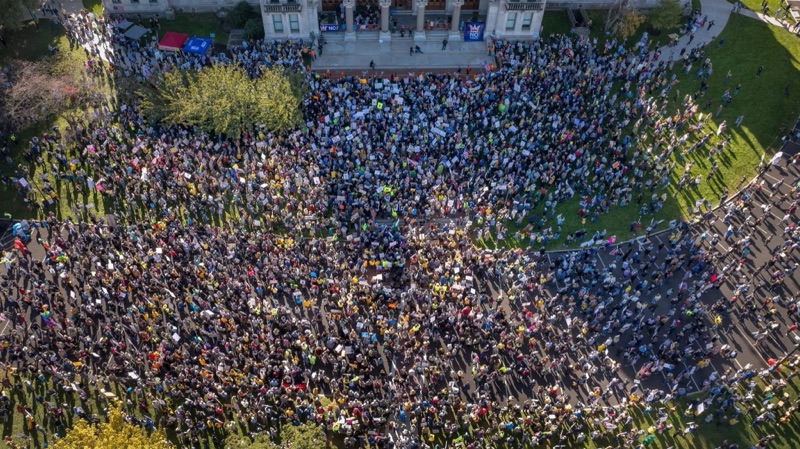
The “No Kings” protest took place a mile away, beneath the gold dome of the Capitol overlooking Bushnell Park. The crowd was mostly educated, middle-aged, middle-class citizens—people like me. The protest echoed the Boston Tea Party, resurrecting the symbolism of tea and rebellion. But this was no isolated event: it was part of a coordinated movement across the United States and even around the world—a shared choreography of conscience.
Protest, too, is a ritual and a right of democracy—a recurring act of collective remembrance that insists power must answer to the people. Like any ritual, it is rooted in repetition and symbol: the tea invoked rebellion, the chants called for renewal, and the crowd enacted a collective moral pause before power.
As the call-and-response rose and fell—
“Show me what democracy looks like!”
“This is what democracy looks like!”—
I found myself remembering Langston Hughes’s
“Let America Be America Again.”
Say, who are you that mumbles in the dark?
And who are you that draws your veil across the stars?
I am the poor white, fooled and pushed apart,
I am the Negro bearing slavery’s scars…
O, let America be America again—
The land that never has been yet—
And yet must be—the land where every man is free…
Where never kings connive nor tyrants scheme.
It is significant that these lines were written by Langston Hughes, a Black poet speaking during the Great Depression—a time of economic despair and racial oppression. His audience was America itself. His protest was both lament and hope: a demand that this country live up to its own creed. Standing there in Hartford, I heard his voice still calling across the decades.
VII. Rituals of Return: The Sacred Pause
In Ireland, the kettle is its own kind of bell. The work of the day stops; people gather, pour, and talk. Tea becomes communion—an everyday liturgy of pause and presence. I think of it often now, how across continents and centuries, ritual keeps offering that same invitation: to stop, to see, to listen, and to connect.
From tea bowls to battlefields, from temples to protests, ritual endures as humanity’s most faithful way of remembering itself—and each other.
Bibliography
Harmakaputra, Hans A. “(Inter)Religious Ritual Participation in a Classroom Setting.” In The Georgetown Companion to Interreligious Studies, edited by Lucinda Mosher and Chad Pecknold. New York: Georgetown University Press, 2022.
Hedges, Paul Michael. Understanding Religion: Theories and Methods for Studying Religiously Diverse Societies. Oakland: University of California Press, 2021.
Hughes, Langston. “Let America Be America Again.” 1935. In The Collected Poems of Langston Hughes, edited by Arnold Rampersad. New York: Vintage Classics, 1994.
Rosen, Aaron. “Curating an Interfaith Pilgrimage.” In The Georgetown Companion to Interreligious Studies, edited by Lucinda Mosher and Chad Pecknold. New York: Georgetown University Press, 2022.